A neighbor once shared how shiny their driveway looked after a wash. A week later, the paint on their porch peeled, and plants near the walk turned brown. The job was fast, but the wrong method did harm. That is why the pro you pick matters. The right team cleans well and protects your place.
A pressure washing contractor is a trained pro who cleans outdoor surfaces with water under controlled pressure. The right provider selects the tools, detergents, and steps for each surface so dirt, mold, and stains lift without harm. In short, the best choice gets results while keeping your property safe.
Greenville NC Pressure Washing works across Greenville every week on homes and shops that need careful exterior cleaning. This guide helps you check skills, tools, and safety so you can book with confidence. Use it to compare options in Greenville and nearby areas before you choose.
Table of Contents
- What a pressure washing contractor does—and why the right choice matters
- Credentials to verify: licenses, insurance, and safety training
- The 10 must-ask questions before you hire
- Service scope and methods: matching surfaces, stains, and techniques
- Equipment and quality standards: how pros protect your property
- Estimates, pricing models, and contracts you-can-trust
- Red flags to avoid—and what service day should look like
- Frequently Asked Questions
- Key takeaways
- Conclusion
What a pressure washing contractor does—and why the right choice matters
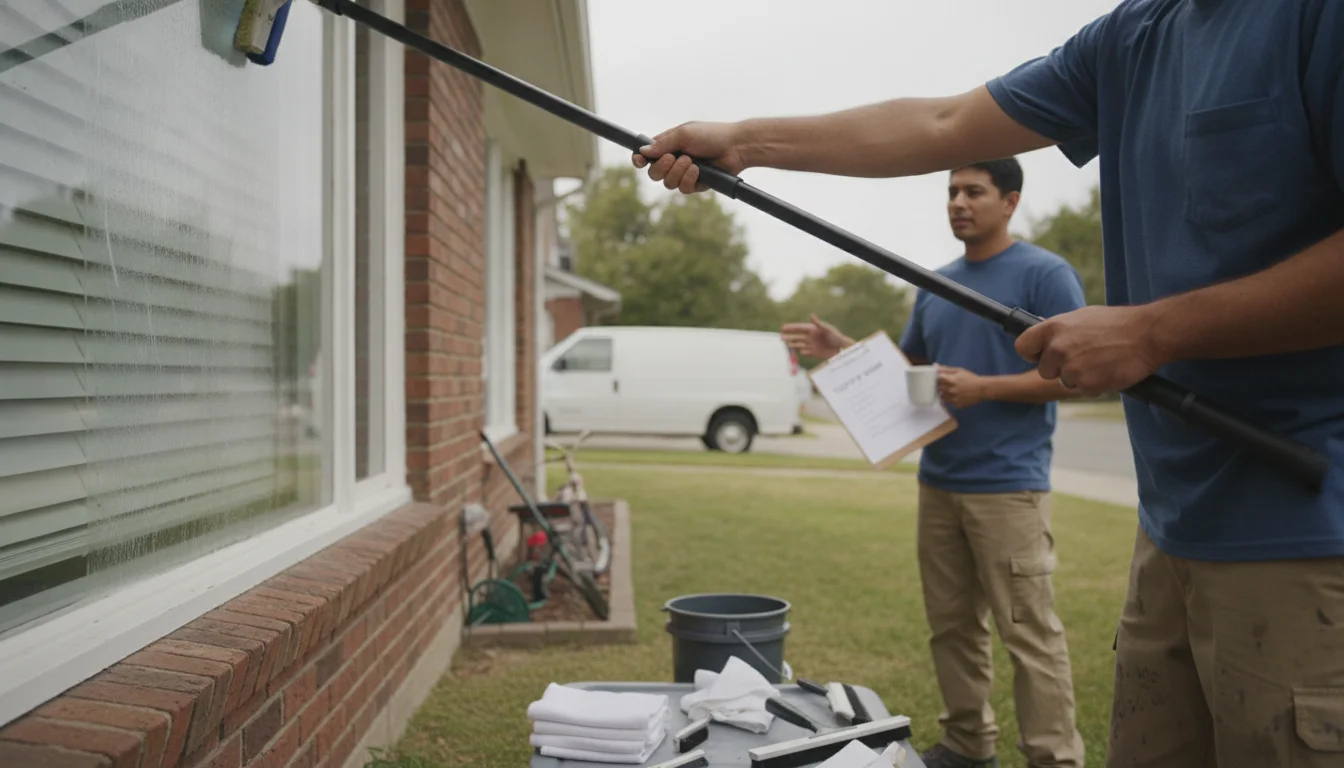
A skilled contractor cleans siding, roofs, walkways, decks, fences, and more. They match pressure, spray angle, and detergent to each area. They protect landscaping and control runoff so wash water does not reach storm drains. They also plan safe access for ladders and tools.
A weak hire can leave a trail of problems. Excess force can scar wood, etch concrete, or crack siding. Poor chemical choice can strip finishes or spot windows. Bad runoff control can shift soil and harm lawns. Missed prep can force water under doors and into walls. Repairs take time and money, so care up front pays off.
- Scope of work often includes house washing, roof cleaning, driveway and patio cleaning, pool deck cleaning, and gutter brightening. Many pros also handle storefronts, parking pads, and trash pad areas for small shops.
A good fit will ask about your goals first. They will review paint, sealants, and caulk lines. They will note shade, water source, and drainage. They will set clear steps for prep and cleanup. If you have special needs, like cedar siding or old brick, they should outline a plan tailored to those conditions.
When in doubt, look for reviews and job photos. Ask for recent work on similar homes or buildings in Greenville. A strong contractor explains what they will do, why it works, and how they will protect your place. If answers feel vague, slow down and compare.
Credentials to verify: licenses, insurance, and safety training
Before you book, check the paper trail. Many cities and counties require a business license. Ask to see it. Confirm they carry general liability insurance, which helps address property damage, and workers’ compensation, which helps cover crew injuries on site. Do not skip this step.
Safety training counts, too. Crews should know ladder safety and fall protection rules set by OSHA. They should be trained on chemical labels and safety data sheets so soaps are used correctly. They also should know how to protect storm drains and handle wash water per local rules. The Environmental Protection Agency publishes best practices on stormwater and wash water under the Clean Water Act; pros should follow those standards for runoff control.
Licensing, liability coverage, and workers’ comp explained
Licensing shows the business is recognized by the city or county. Liability coverage helps if a window breaks or paint peels during the job. Workers’ comp helps if a worker gets hurt. Ask for proof and make sure the dates are current. If they hire subs, ask for documentation for those teams as well.
Documentation to request before you book
Ask for a current certificate of insurance, a copy of any local license, and a written scope of work. Get a safety plan for fragile areas, like windows, plants, and outdoor outlets. Ask for a list of detergents with brand names and mix rates. Keep these on file with the estimate.
The 10 must-ask questions before you hire
Good questions help you spot skill and care. Ask these before you sign. Strong answers are clear and specific. Vague answers are a warning.
Expertise and process: detergents, PSI/GPM, soft wash vs. pressure
- What methods will you use on each surface? Look for soft washing on siding and roofs, and measured pressure on concrete.
- What detergents do you use, and why? Ask how they rinse and how plants are protected.
- What PSI and GPM will you run? PSI is force. GPM is water flow. Both matter.
- How will you control runoff and protect storm drains? Expect covers, berms, or pump recovery.
- Do you have photos or references from jobs like mine? Recent wins say a lot.
Pricing, guarantees, and scheduling commitments
- What is included in the scope? Ask about pre-soak, agitation, rinse, and post-treat.
- How do you handle stains that do not lift the first time? Look for a clear re-clean plan.
- What prep do you need from me? Expect steps like moving cars and closing windows.
- What is the timeline from arrival to wrap-up? Get a simple schedule.
- What is your warranty on workmanship? Ask what it covers and for how long.
Service scope and methods: matching surfaces, stains, and techniques
Each surface needs its own method. Siding often needs soft washing, which uses low pressure and a gentle mix to lift algae and grime. Roofs need the same careful approach. Concrete and pavers can take more force, but too much can etch or blow out sand joints. Wood needs care to avoid raised grain and streaks.
Common stains include algae, mold, mildew, rust, tire marks, grease, and tannins. Organic growth often responds to soft washing with the right cleaner. Rust may need a special acid-based product with a careful rinse. Grease can call for hot water and a degreaser. Tire marks often need dwell time and a surface cleaner pass.
Common surfaces and stain types—and what removes them
- Vinyl siding and stucco: soft wash with a mild mix; rinse top to bottom.
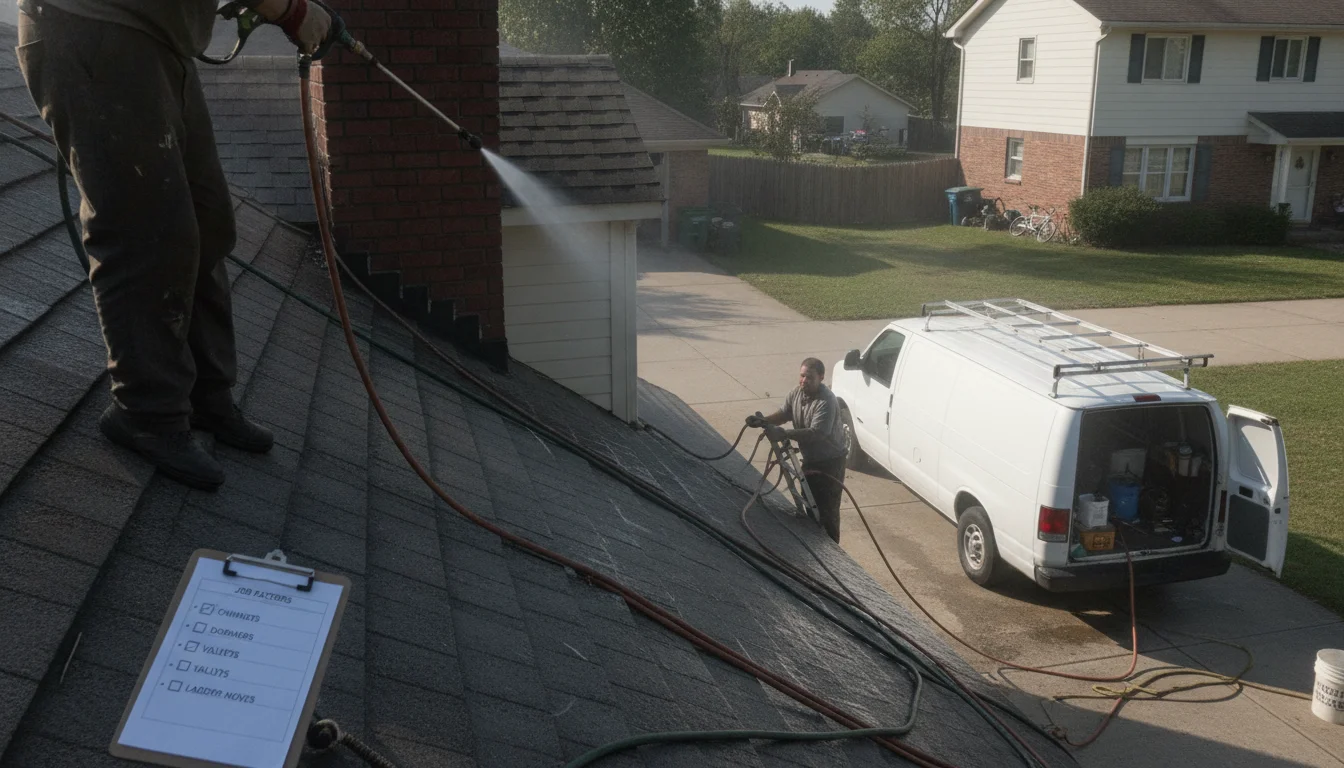
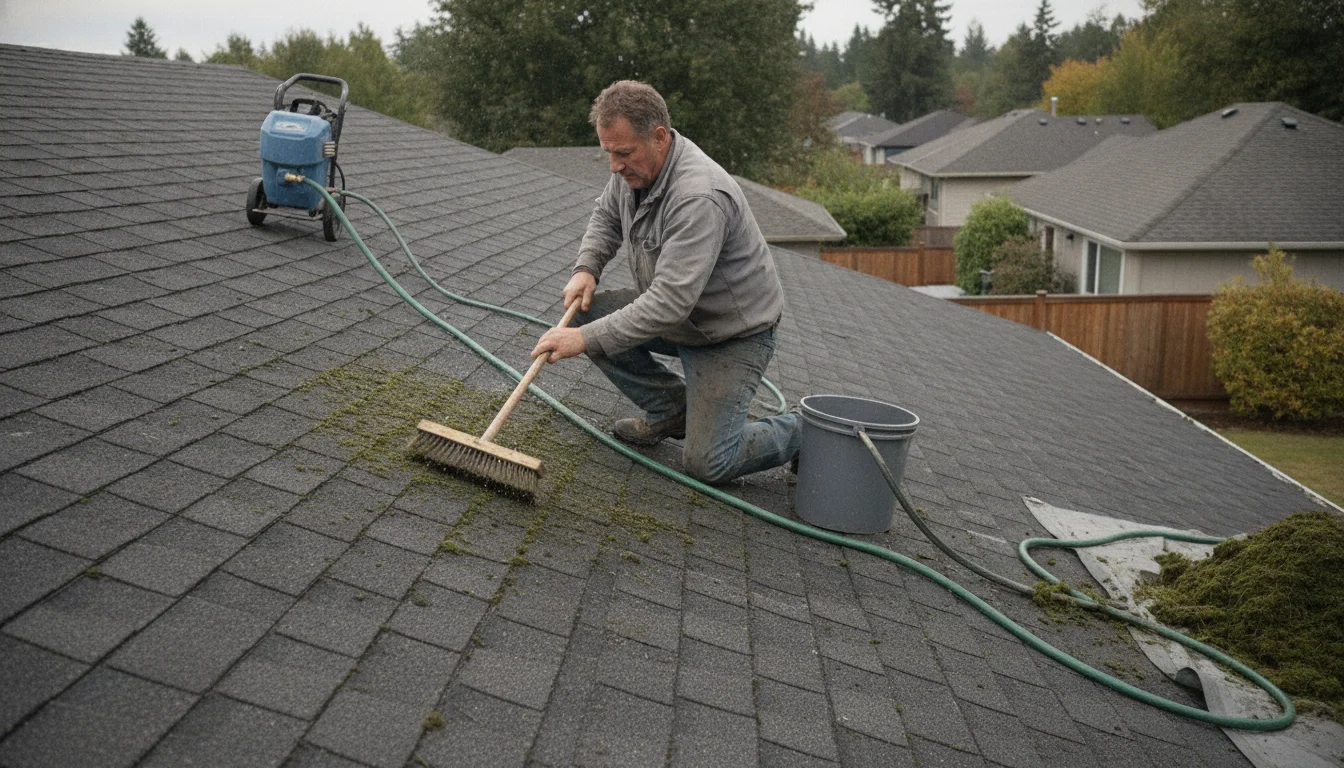
- Asphalt shingles: soft wash only; no high pressure on shingles.
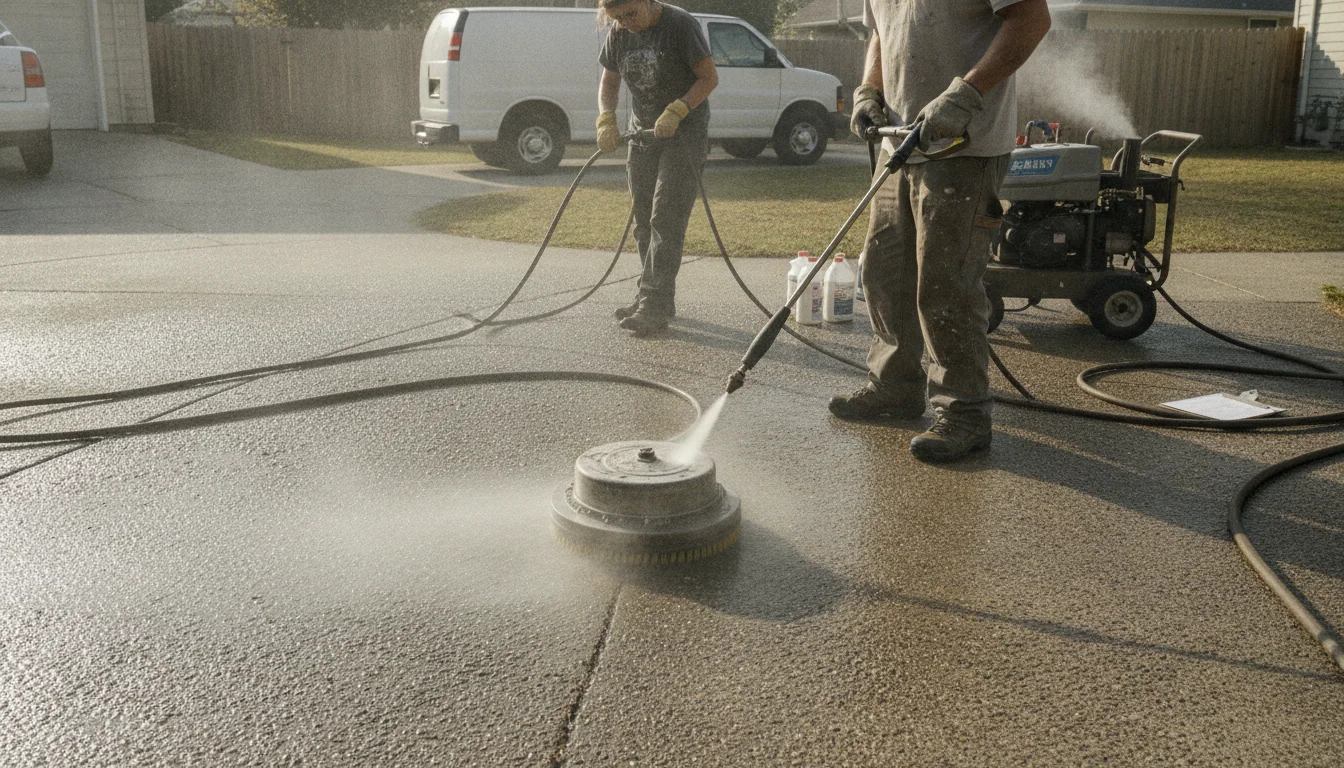
- Concrete driveways: pre-treat, surface clean, and post-treat if needed.
- Decks and fences: low pressure with wood-safe cleaners; even strokes.
- Pool decks: gentle pass to protect sealers and joints; manage runoff.
Methods and eco-practices: soft washing, hot water, and runoff control
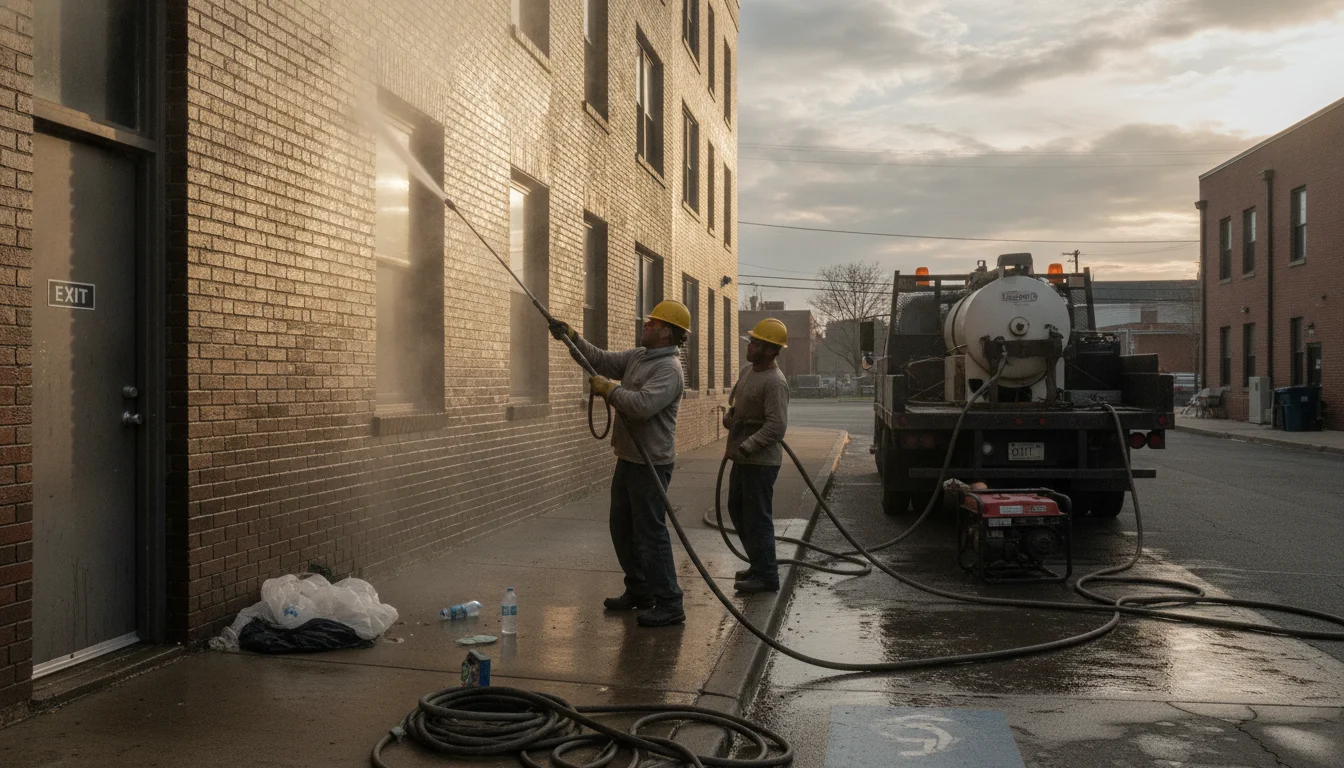
Soft washing uses low force and a detergent blend to clean fragile areas. Hot water helps melt grease on concrete. Runoff control keeps wash water and soaps out of storm drains. Pros may block drains, recover water, and dispose of it per local rules. The EPA’s guidance on stormwater helps set these best practices. Ask how your pro will comply.
Equipment and quality standards: how pros protect your property
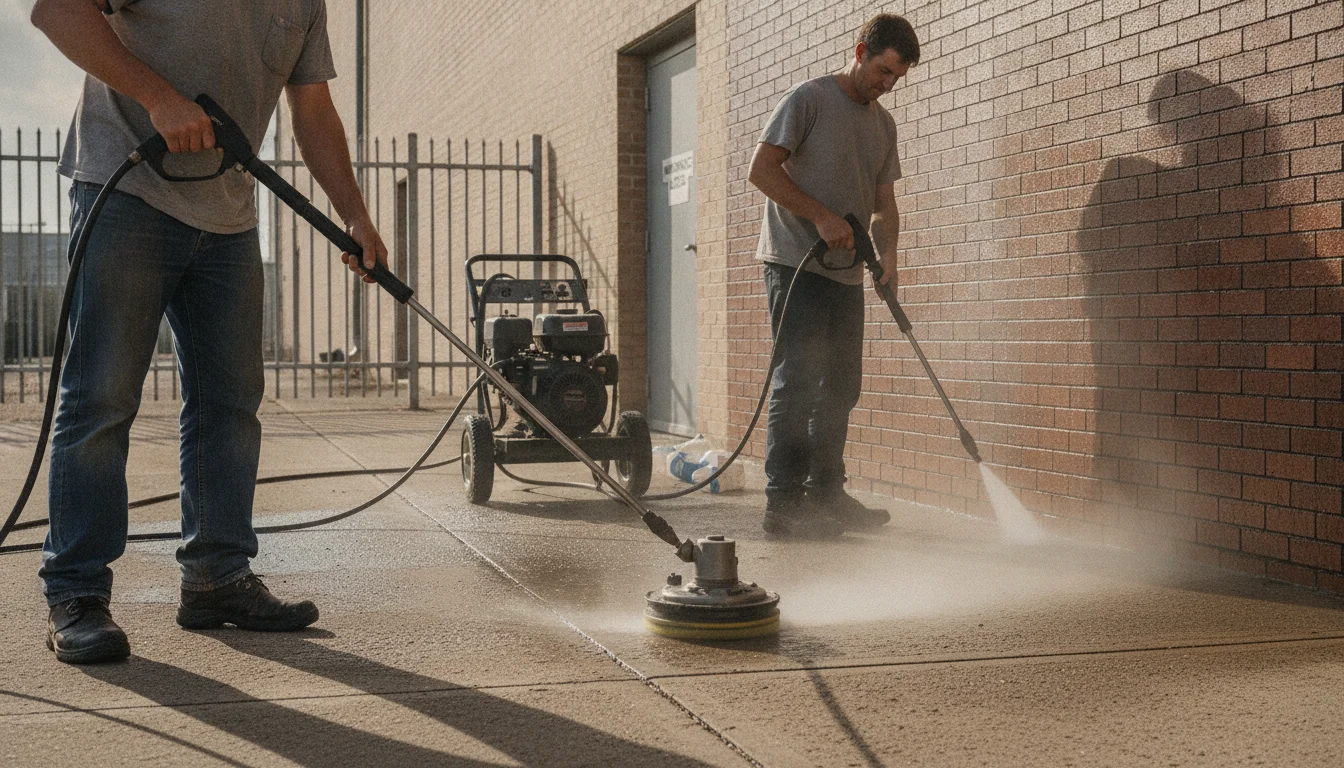
Pros invest in gear that gives steady results. That can include belt-drive pumps for consistent flow, adjustable wands, and surface cleaners for even marks on concrete. They often carry a range of nozzles, from wide fans for rinse to tips for gentle reach. They bring ladders, hose reels, and safety gear to move efficiently and safely.
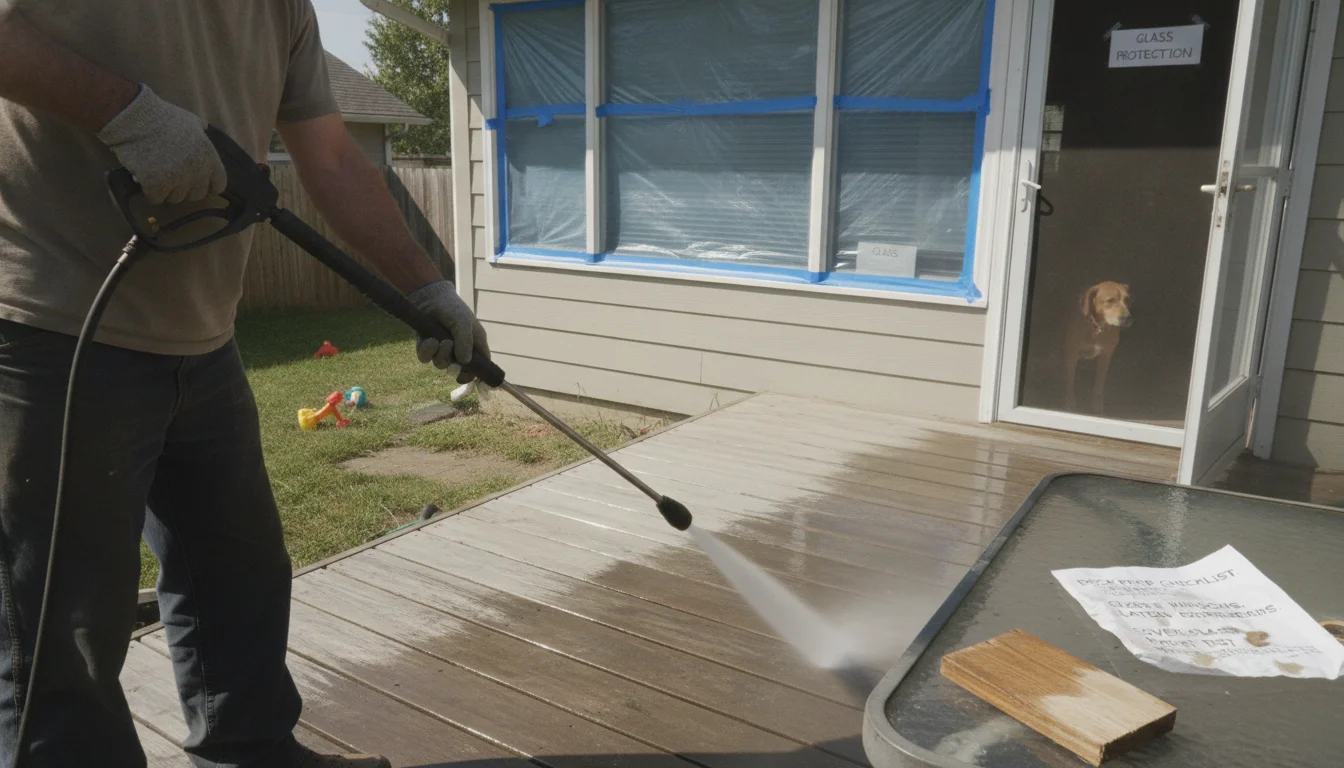
Quality standards show in small habits. Crews tape or cover outlets and doorbells. They wet plants before and after detergent use. They protect wood, seals, and trim. They avoid blasting near window seals and flashing. They check wind and sun so detergents do not dry on glass or paint.
Pro-grade gear and results: pumps, nozzles, surface cleaners
Pro pumps with higher GPM help rinse faster and cleaner. Nozzle choice can reduce force for soft washing or concentrate it for tough spots. Surface cleaners keep the wand steady at a set height, which limits striping on concrete. Hot water units help lift oil and gum.
Damage prevention for paint, plants, windows, and seals
Pros test a small area first. They avoid high force on paint. They rinse plants and use plant guards when needed. They keep the spray off window seals and screens. They watch caulk lines, vents, and attic gaps. These steps cut the risk of leaks and peels. OSHA ladder rules and safe setup also reduce fall risks for crews and your property.
Estimates, pricing models, and contracts you-can-trust
Trust starts with a clear scope. A solid estimate lists the areas to clean, the methods to use, and any stain treatments. It also names brand or type of detergents and notes plant and property protections. It should explain access needs, like water source and gate entry, and who moves items on the deck or patio.
Reputable pros explain how they set charges. They may consider square footage, soil level, height, access, and stain type. Two-story work and steep roofs may need more time and gear. Corners, stairs, and railings take care, too. Costs vary, but the method of setting them should be clear.
What to expect in a written estimate, timeline, and warranty
Expect a written estimate with:
- Defined surfaces and notes on trouble spots.
- Prep steps for you and for the crew.
- Start window, expected duration, and cleanup plan.
- Any workmanship warranty with terms in plain words.
On larger jobs, ask for a simple schedule by day or area. For homes and small shops, most work wraps the same day. Keep the estimate and warranty with your home papers. If you need broader help, explore Pressure Washing Services in Greenville, NC | Exterior Cleaning or consider Commercial Pressure Washing in Greenville, NC to plan future cleanings.
Red flags to avoid—and what service day should look like
Some signs point to trouble. Watch for no proof of insurance, no written estimate, or pushy sales. Be careful with anyone who says they use one method for all jobs. Be wary if they cannot name their detergents or explain runoff control. Poor reviews with no reply from the owner also tell a story.
Warning signs that signal risk before you sign
- Vague scope like “whole house” with no details.
- No talk of plant care, window safety, or drain guards.
- Only high-pressure methods for roofs or siding.
- Refusal to do a small test area.
- No local references for jobs like yours.
From arrival to final walkthrough: prep, cleanup, and aftercare
On service day, a pro will walk the site with you, confirm the scope, and set protection. They will wet plants, cover outlets, and check windows. They will pre-treat stains, wash from the right angle, and rinse well. They will manage runoff so water does not enter storm drains. The EPA notes that stormwater systems carry pollution to waterways, so this step matters for every job. After the wash, they will remove covers, re-wet plants, and tidy hoses. A final walkthrough lets you flag any spots for touch-up. If you want to learn more about methods, see the Professional Pressure Washing Guide for Homes & Businesses or learn about Building Washing Services in Greenville, NC for larger sites.
Greenville NC Pressure Washing serves homes and small shops with care and clear steps. The team can also share background on safety training and brand names of detergents on request. Visit About Our Pressure Washing Team.
Frequently Asked Questions
Does soft washing damage stucco?
Soft washing uses low pressure with a gentle cleaner. It is the right method for stucco when done by a trained pro. The key is a mild mix, wide spray, and a full rinse before it dries. Avoid high force that can gouge or drive water into cracks.
How often should you soft wash your house?
Most homes do well with a wash every 12–24 months. Shady sides, roof drip lines, and areas near trees may need cleaning sooner. Homes near busy roads or lakes may pick up grime faster. A short annual check helps set the right plan for your place.
Who pressure washes houses?
A pressure washing contractor cleans homes, roofs, decks, and drives. They use soft washing for delicate areas and measured force for concrete. They also handle plant care, runoff control, and safety on ladders and roofs. Look for training, insurance, and clear job photos before you hire.
How do you clean cedar siding?
Cedar needs a gentle touch. Use low pressure with a wood-safe cleaner. Work with the grain. Rinse well and avoid holding the spray in one spot. Many pros use soft washing plus a brush for stubborn spots. After cleaning, let wood dry before any seal or stain.
Can roof cleaning hurt shingles?
High pressure can harm shingles by lifting granules or breaking edges. A proper roof wash is a soft wash with a shingle-safe mix and a full rinse. Choose a pro who avoids high force on roofs and can explain the process step by step.
Key takeaways
- Match the method to the surface: soft washing for siding and roofs; measured force for concrete.
- Verify protection: confirm insurance, licenses, and safety training before you book.
- Ask smart questions: methods, detergents, runoff, and warranty should be clear.
- Expect a written plan: scope, prep, timeline, and aftercare support a smooth job.
- Watch for red flags: vague answers and one-size-fits-all methods mean risk.
Conclusion
Picking the right pro is about care, not raw force. You want clear methods, safe gear, and respect for your home and yard. For work and the surrounding area, Greenville NC Pressure Washing can help you plan a safe, clean result. Contact us.
If you are not sure which of these you are dealing with, it is worth having someone look at it before it turns into a bigger job. Get in touch with Greenville NC Pressure Washing today and we will tell you where you stand.